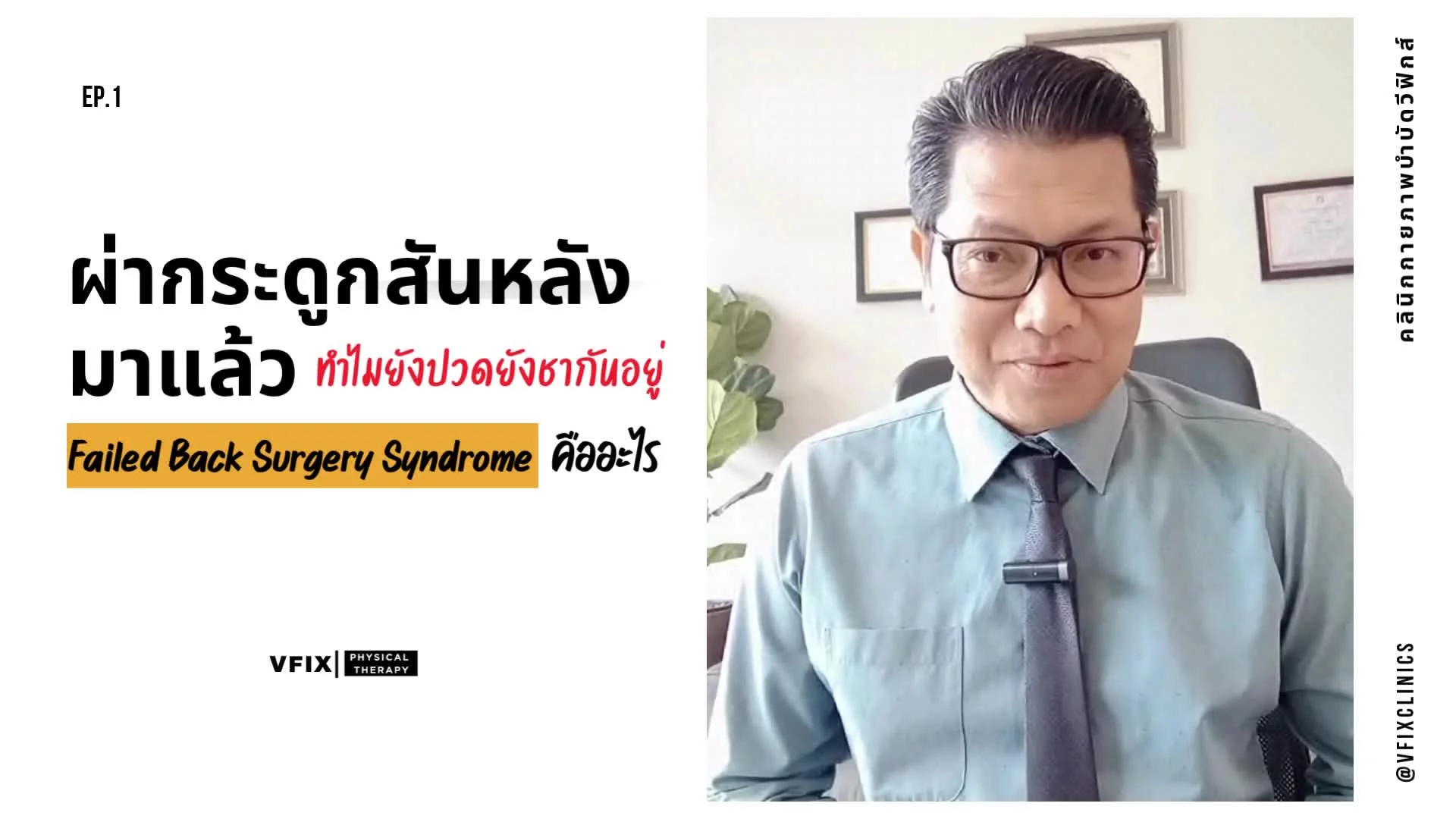
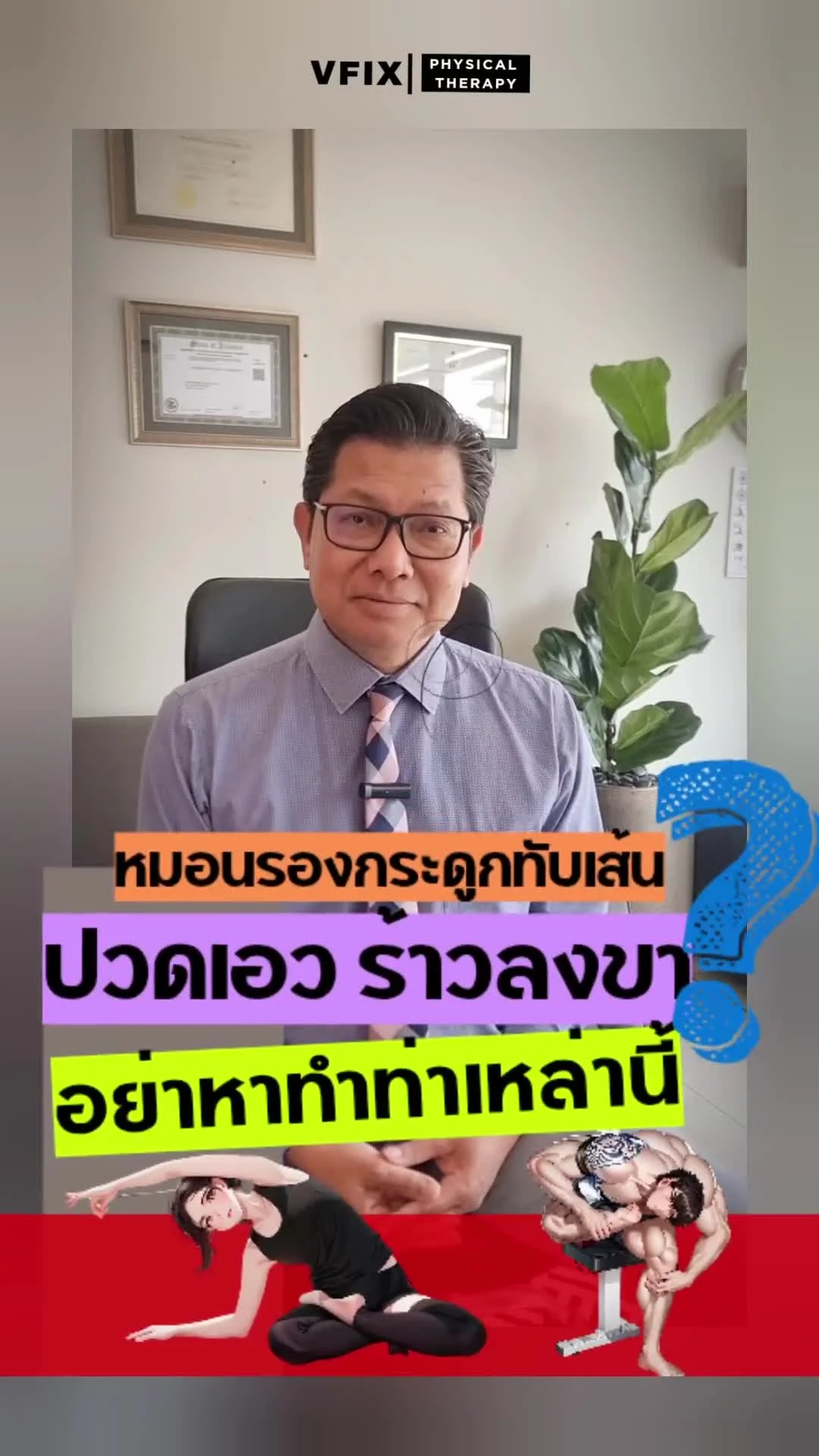
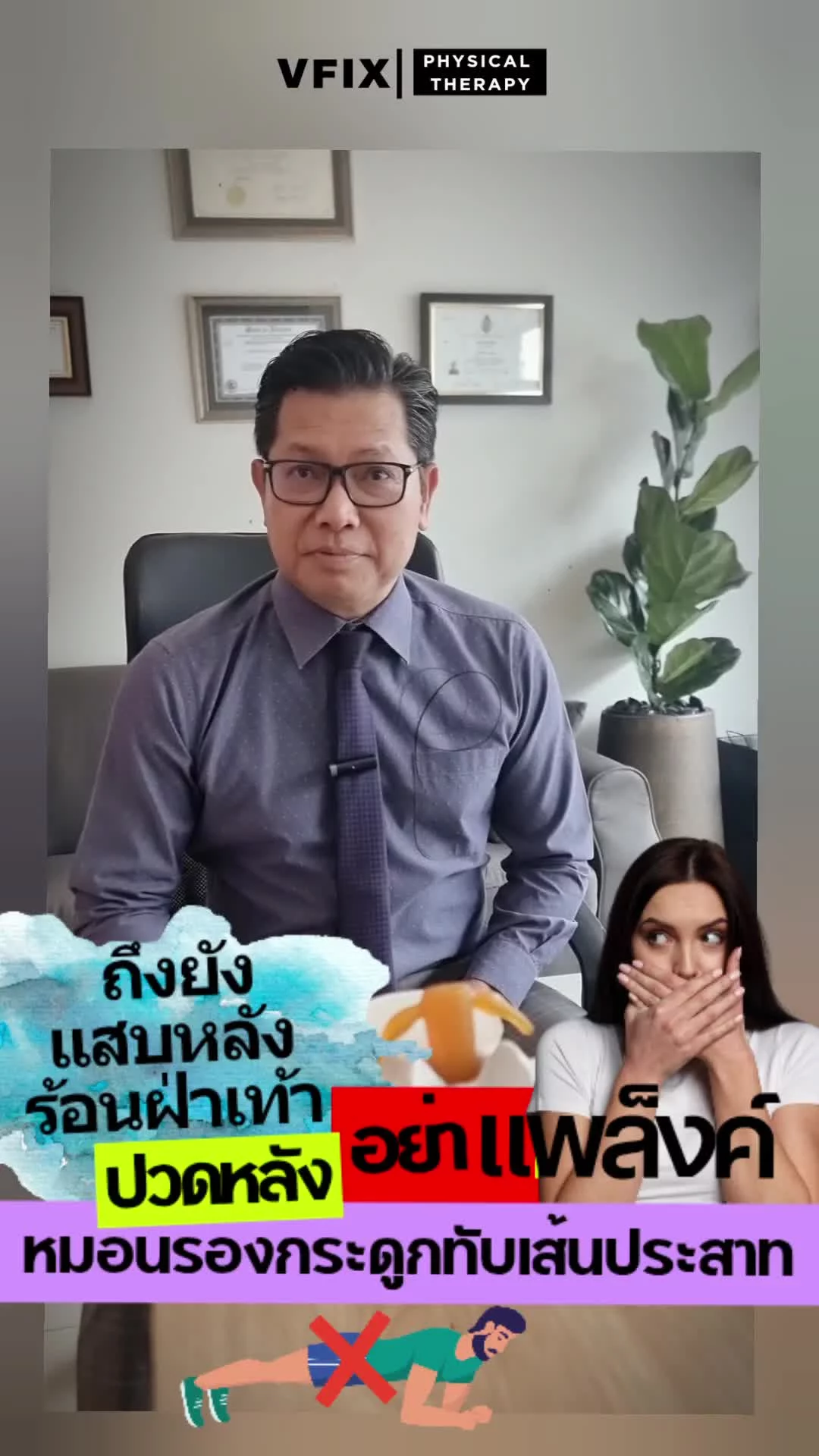
ปวด ชา ร้าวเรื้อรัง ทำไมยืดเหยียดหรือสร้างกล้ามเนื้อถึงไม่หาย? เข้าใจกระบวนการทำกายภาพบำบัดที่ถูกต้อง
ปวด ชา ร้าวเรื้อรัง ทำไมยืดเหยียดหรือสร้างกล้ามเนื้อถึงไม่หาย? เข้าใจกระบวนการทำกายภาพบำบัดที่ถูกต้อง
ตั้งแต่กลับมาปฏิบัติงานที่ประเทศไทย ผมมักจะตั้งคำถามในใจเสมอเมื่อเห็นคอนเทนต์ด้านสุขภาพบนโซเชียลมีเดีย:
ทำไมเมื่อคนไข้อีมีอาการปวดเมื่อย ชา ร้าว หรือกล้ามเนื้อตึง คำแนะนำแรกถึงเป็นการให้ "ยืดเหยียด" หรือ "สร้างกล้ามเนื้อ"?
ทำไมหลายคนถูกแนะนำให้ออกกำลังกาย โดยไม่ทราบแน่ชัดว่าการกระทำเหล่านั้นส่งผลดีหรือผลเสียต่อ "โครงสร้าง" ที่เป็นสาเหตุของอาการกันแน่?
ผมพบว่าคนไข้หลายท่านต้องทนกับอาการปวดเรื้อรังมาเป็นปี โดยไม่เอะใจเลยว่า กระบวนการที่กำลังทำอยู่นั้นอาจเป็นการ ข้ามขั้นตอนการรักษาทางกายภาพบำบัด
หลงทนปวดและชามาตั้งนาน เพิ่งรู้ว่าที่ผ่านมาอาจจะเป็นแค่การพยายาม "ฟื้นฟู" แต่ยังไม่ได้ "รักษา" ที่ต้นเหตุอย่างแท้จริง
ทำไมการรีบสร้างกล้ามเนื้อถึงอาจทำให้ปวดมากกว่าเดิม?
การข้ามขั้นตอนไปพยายามสร้างกล้ามเนื้อ บนโครงสร้างร่างกายที่ยังคงมีภาวะบาดเจ็บซ่อนอยู่ คือสาเหตุหลักที่ทำให้คุณยังมีอาการปวด ร้าว หรือแสบร้อนชาตามเส้นประสาท (Neuropathy) อย่างต่อเนื่อง แท้จริงแล้วร่างกายมนุษย์มีองค์ประกอบที่ซับซ้อนมากกว่าแค่เรื่องของกล้ามเนื้อเพียงอย่างเดียว
มาตรฐานการรักษาทางกายภาพบำบัดที่ถูกต้อง (The Right Protocol)
จากประสบการณ์การทำงานในโรงพยาบาลชั้นนำในสหรัฐอเมริกา เช่น Advocate Aurora Health, Loyola University Medical Center และ Illinois Back Institute ซึ่งมี Standard & Procedure ที่เป็นมาตรฐานสากล กระบวนการทำกายภาพบำบัดที่ปลอดภัยและได้ผลลัพธ์ที่ดี จะต้อง ไม่ข้ามขั้นตอน และควรเริ่มต้นจาก:
ตรวจประเมินและวินิจฉัย (Assessment & Diagnosis): วิเคราะห์อาการอย่างเจาะลึก ตรวจหาสาเหตุที่แท้จริงของอาการปวด โดยนำไปเทียบเคียงกับผลภาพถ่ายทางการแพทย์ (X-ray หรือ MRI)
รักษาที่โครงสร้าง (Structural Treatment): จัดการปัญหาที่ต้นตอโดยไม่ต้องผ่าตัด ด้วยเทคนิคเฉพาะทาง NERVE De-Trapment (Vfix Technique & Protocol)
ฟื้นฟูอย่างถูกวิธี (Targeted Rehabilitation): เมื่อรักษาจนโครงสร้างกระดูกสันหลัง หรือจุดที่มีปัญหาไม่มีอาการปวดแล้ว จึงค่อยออกแบบการออกกำลังกายและสร้างกล้ามเนื้อ (Exercise Prescription) แบบเฉพาะบุคคล เพื่อให้ร่างกายกลับมาแข็งแรง และคืนอิสระในการเคลื่อนไหวแบบไร้อาการเจ็บปวด
ดูแลการรักษาโดย: Thanongsak Sanluecha, PT US-Trained Physical Therapist with over 20 years of clinical experience. Formerly licensed in the US, currently licensed in Thailand (License No. PT. ก.715)อย่าทนปวดกับวิธีการรักษาที่ยังไม่ตอบโจทย์ มารับการรักษาที่ตรงจุดและแก้ไขปัญหาที่ต้นตอกับเรา
Vfix Physical Therapy Clinic (สาขาเดียวที่เชียงใหม่เท่านั้น)
📌 Chronic Pain, Numbness, and Radiating Pain: Why Stretching or Muscle Building Might Not WorkSince returning to practice in Thailand, I have frequently questioned the health advice circulating on social media:
Why is it that when patients experience aching, numbness, radiating pain, or muscle tightness, the immediate recommendations are always "stretching" or "muscle building"?
Why are people told to exercise without knowing whether those actions will positively or negatively affect the underlying "structures" causing their symptoms?
I have seen many patients endure chronic pain for years without realizing that the process they are following might be skipping a crucial step in physical therapy.
After enduring pain and numbness for so long, many finally realize that they have only been trying to "rehabilitate" without actually "treating" the root cause.
Why Rushing to Build Muscle Can Worsen the Pain
Skipping steps and trying to build muscle on a bodily structure that is still injured is the primary reason you continue to experience pain, radiating discomfort, or a burning, tingling sensation along the nerves (Neuropathy). The truth is, the human body is far more complex than just muscles.
The Right Physical Therapy Protocol
Based on my experience working in leading medical facilities in the United States—such as Advocate Aurora Health, Loyola University Medical Center, and the Illinois Back Institute—which strictly adhere to international standard operating procedures, a safe and effective physical therapy process must never skip steps. It should strictly follow this sequence:
Assessment & Diagnosis: A comprehensive and in-depth clinical analysis to identify the true root cause of the pain, correlating physical findings with medical imaging (X-rays or MRIs).
Structural Treatment: Addressing the root problem without surgery using specialized approaches, such as NERVE De-Trapment (Vfix Technique & Protocol).
Targeted Rehabilitation: Only after the structural issues (such as spinal problems) are treated and the pain is resolved, do we design a customized exercise prescription. This individualized muscle-building plan ensures the patient safely regains strength and restores pain-free freedom of movement.
Under the Care of: Thanongsak Sanluecha, PT US-Trained Physical Therapist with over 20 years of clinical experience. Formerly licensed in the US, currently licensed in Thailand (License No. PT. 715)
Stop enduring pain with methods that do not address the root cause. Get targeted, effective treatment with us today.
Vfix Physical Therapy Clinic (Exclusive in Chiang Mai)
A premium physical therapy clinic focused on structural treatment with international standards.